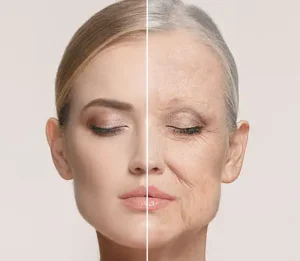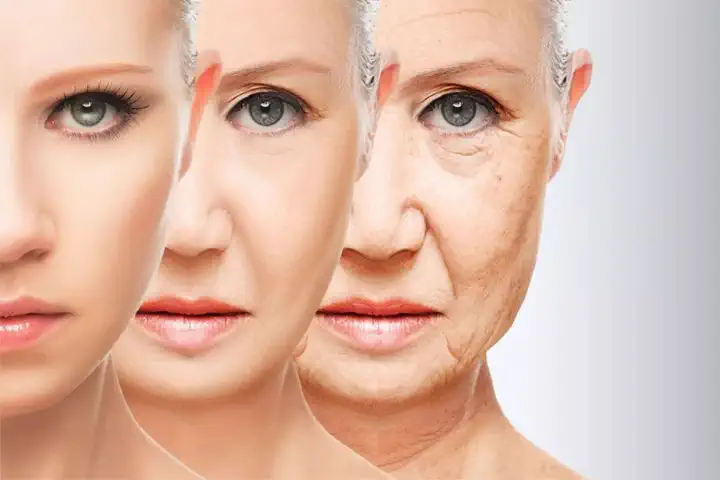
Sagging skin is one of the most common skin concerns and one of the most misunderstood. Whether it shows up along the jawline, cheeks, neck, arms, stomach, or thighs, sagging skin can make you look older, more tired, or less confident, even if you’re otherwise healthy.
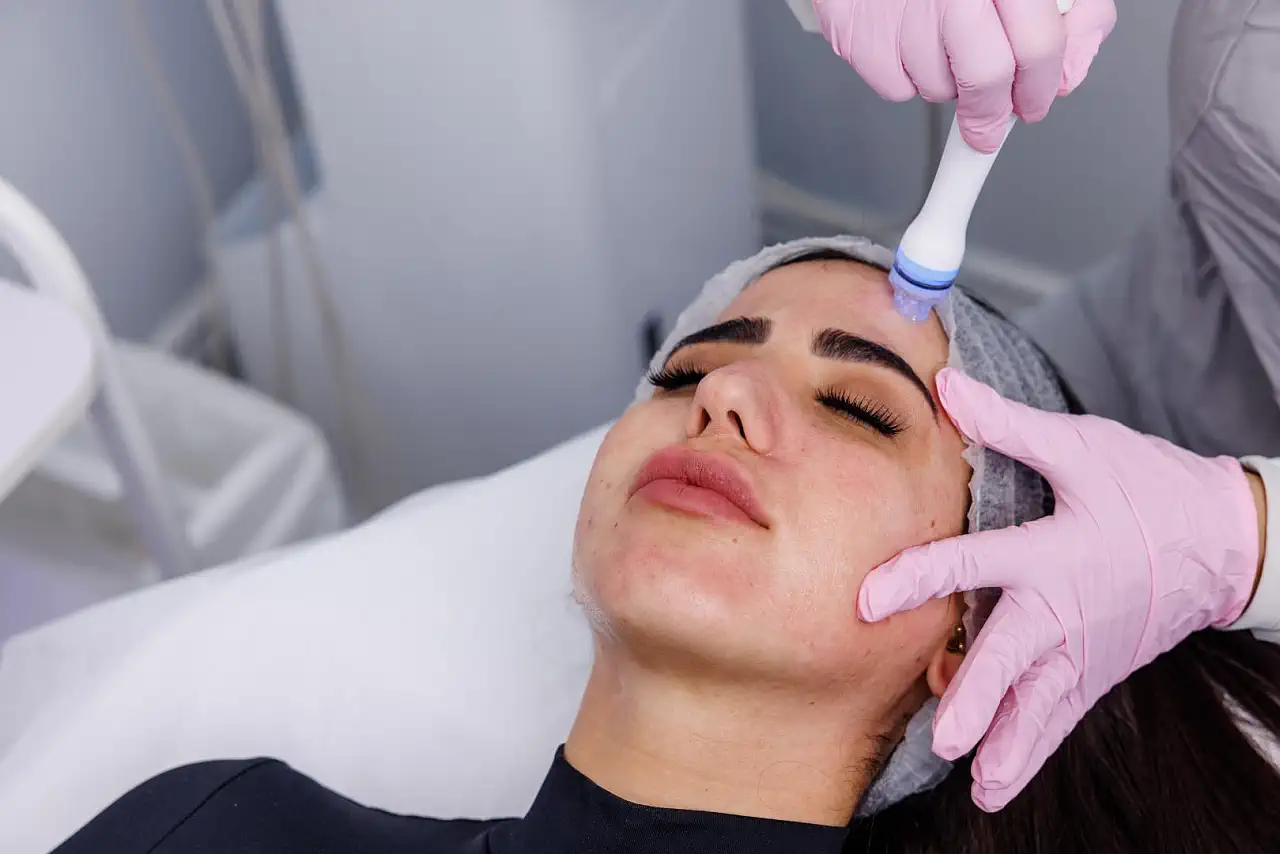
The good news? You don’t need surgery to see meaningful improvement. Thanks to modern dermatology and aesthetic medicine, there are clinically supported, dermatologist-approved treatments that can tighten skin, stimulate collagen, and restore firmness safely and effectively.
This guide explains why sagging skin happens, what actually works, and which treatments deliver real results so you can make an informed decision that fits your goals.
What Causes Sagging Skin?
Sagging skin develops gradually and is usually the result of multiple factors working together.
The most common causes include:
Collagen & elastin loss
Collagen gives skin structure, while elastin allows it to snap back. Starting in your mid-20s, collagen production declines by about 1% per year.
Aging & gravity
Over time, skin becomes thinner and less resilient, making it more vulnerable to gravity.
Weight fluctuations
Rapid weight loss or gain stretches the skin, making it harder to bounce back.
Sun exposure
UV damage accelerates collagen breakdown and weakens skin fibers.
Genetics & lifestyle
Smoking, poor nutrition, stress, and dehydration all contribute to skin laxity.
Understanding the cause helps determine which treatment will be most effective.