1. /
  2. Programs
  3. /
  4. Post-Cancer Program

Post-Cancer Program

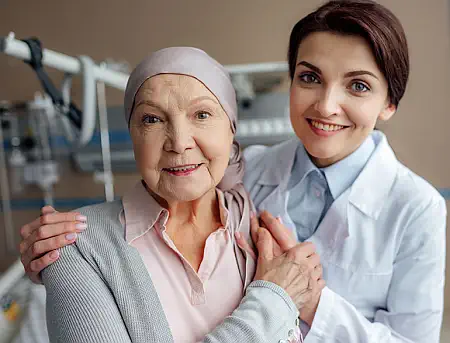
The end of cancer treatment is often a time to rejoice. You are probably relieved to be finished with the demands of treatment and are ready to put the
experience behind you. Yet at the same time, you may feel sad and worried.
It’s common to be concerned about whether the cancer will come back and what you should do after treatment.

When treatment ends, you may expect life to return to the way it was before you were diagnosed with cancer. But it can take time to recover. You may have
permanent scars on your body, or you may not be able to do some things you once did easily. Or you may even have emotional scars from going through
so much. You may find that others think of you differently now—or you may
view yourself in a different way

offer structured support to transition from treatment to daily life, focusing on physical, emotional, and vocational health. Key components include personalized follow-up care plans to manage surveillance, alongside nutrition, exercise (e.g., yoga, strength training), and psychological counseling. These programs aim to address long-term side effects, reduce cancer recurrence risks, and improve overall quality of life through tailored wellness strategies.

Key Components of Post-Cancer Programs

  • Survivorship Care Plan: A document summarizing treatments received, outlining recommended follow-up tests, and listing potential long-term side effects to monitor.
  • Physical Rehabilitation & Wellness: Specialized exercise programs to regain strength, improve cardiovascular health, and combat fatigue.
  • Emotional and Mental Health Support:Individual counseling and support groups to manage anxiety, fear of recurrence, and depression.
  • Nutritional Counseling: Guidance on diet to maintain a healthy weight and reduce the risk of secondary cancers.


Side Effect Management:

  • Therapies for managing pain or lingering effects, including acupuncture, meditation, and yoga.
    Vocational and Social Support: Assistance with returning to work and adjusting to life after treatment.
  • Recovery doesn’t end when treatment does.The Post-Cancer Program at Avitane Clinique is here to help you regain strength, balance, and life, one healing step at a timeLet your recovery be guided with care.
  • Figuring out how to move forward after cancer takes time. This chapter in your life can bring hope and happiness but also worry and fear. You might have questions about how to manage your health care, stay well, and adjust to changes in your routines.


 

Related Programs
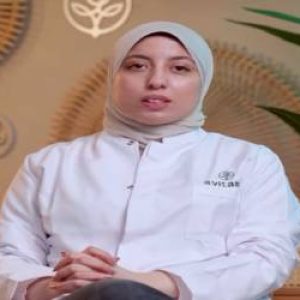
dr.yassmin

Dr. Yasmine Hossam

Clinical Psychologist

1

Videos

3

Programs

0

Solutions

dr.shreenalsawaf

Dr.Shereen Alsawaf

CEO & Co-fonder of Avitane

6

Videos

2

Programs

3

Solutions

Post-Cancer Program can help you lead a healthy, active life after cancer as well as manage any problems related to your cancer therapy.

Adult Survivorship Program
MSK’s Adult Survivorship Program offers comprehensive services to people who have completed cancer treatment. The program focuses not only on cancer screening but also on overall health and wellness. Most survivors in our program were diagnosed as adults.

Adult Long-Term Follow-Up Program
This program is for survivors of childhood and young-adult cancers. Many people with these diseases have ongoing medical and psychological concerns. Most people in our program were diagnosed before age 40 and have either transitioned to us from our Pediatric Long-Term Follow-Up Program or were referred to us by an MSK treatment team. Our team of experts helps people manage late effects of cancer and cancer therapies, which can arise many years after treatment is over.

Pediatric Long-Term Follow-Up Program
This program is available to children, adolescents, and young adults up to age 21 who have been off treatment for one to two years. The team includes physicians, nurse practitioners, a nurse, a nutritionist, a social worker, a neuropsychologist, and a physiatrist, who work together to care for patients. Most of our patients are referred by their treatment team at MSK, although we do accept survivors treated elsewhere.

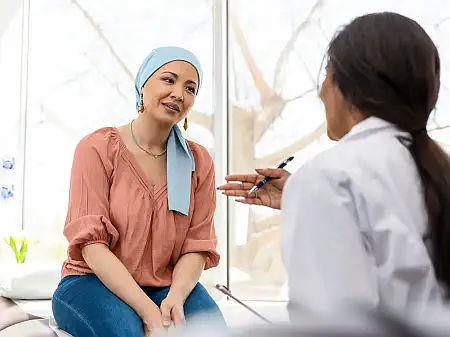
You will need to decide which doctor will provide your follow-up cancer care and which one(s) you will see for other medical care. For follow-up cancer care, this may be the same doctor who provided your cancer treatment. For regular medical care, you may decide to see your main provider, such as a family doctor. For specific concerns, you may want to see a specialist. This is a topic you can discuss with your doctors. They can help you decide how to make transitions in care.

Depending on where you live, it may make more sense to get follow-up cancer care from your family doctor, rather than your oncologist. It’s important to note that some insurance plans pay for follow-up care only with certain doctors and for a set number of visits.

In coming up with your schedule, you may want to check your health insurance plan to see what follow-up care it allows. No matter what your health coverage situation is, try to find doctors you feel comfortable with.

Why don’t I feel like myself after cancer?

Active cancer treatment may be over, but your body and brain are still healing. You may experience fatigue, body aches, brain fog and emotional changes. These effects can last for months or even years. To feel more like yourself again, try:

  • Prioritizing rest and pacing yourself throughout the day.
  • Light physical activity like walking or stretching to rebuild energy.
  • Staying connected to others. Isolation can amplify emotional struggles.
  • Journaling or speaking to a therapist about your experience.
Will I ever stop worrying about cancer coming back?

It’s normal to worry about cancer coming back. The fear of recurrence may be stronger around follow-up scans or when symptoms appear. The fear may never go away completely, but try the following things to help manage it:

  • Acknowledge fear rather than pushing it away.
  • Practice mindfulness or breathing exercises to manage anxiety.
  • Focus on what you can control — healthy habits and regular checkups.
  • Write down your concerns and bring them to your next doctor’s appointment.
How often will I need follow-up scans after cancer treatments end?

The frequency of follow-up imaging, like CT or PET scans, depends on the type of cancer, the stage and treatment received. Generally, you may have scans every three to six months in the first few years, then once a year. Keep a personal calendar with upcoming scans and appointments, and don’t hesitate to ask your healthcare provider what to expect long-term.

Why am I still so tired after active cancer treatment?

Cancer-related fatigue is different from normal tiredness. It can persist long after treatment ends. To manage it:

  • Keep a fatigue journal to identify patterns and triggers.
  • Break tasks into smaller steps and take frequent breaks.
  • Try gentle exercises like yoga or tai chi to rebuild endurance.
  • Eat regularly and hydrate well to support energy levels.
Scroll to Top