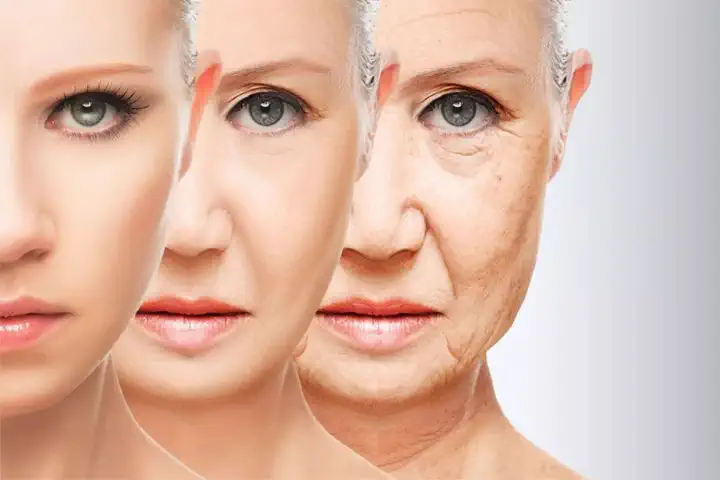
We all know that too much sugar isn’t great for your body — but did you know it can also affect your skin? This lesser-known process is called glycation, and it may be the hidden reason behind early signs of ageing such as wrinkles, sagging, and dullness.
Let’s explore what glycation is, how it speeds up skin ageing, and what treatments can help support healthier-looking skin.
What is Glycation?
Glycation is a natural process in the body where sugar molecules attach to proteins or fats, forming harmful compounds known as Advanced Glycation End Products (AGEs). Over time, these AGEs accumulate in the skin and damage important structural proteins — mainly collagen and elastin. These proteins are responsible for keeping your skin firm, smooth, and elastic.
How Does Glycation Affect Your Skin?
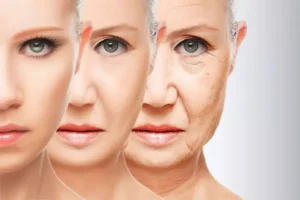
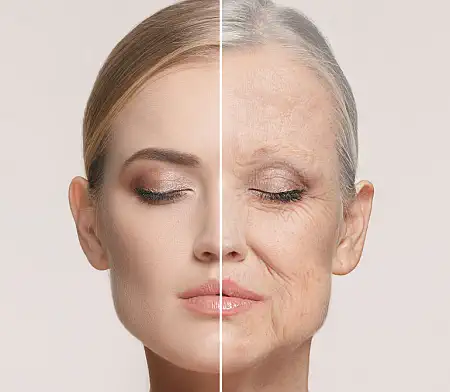
When collagen and elastin become stiff or weakened due to glycation, skin starts to show visible signs of aging. This includes: – Fine lines and wrinkles – Loss of firmness or sagging – Uneven skin tone or dullness – Slower wound healing and recovery
Is It Possible to Reverse Glycation Damage?
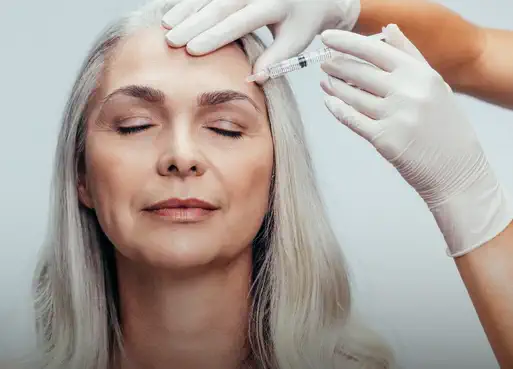
While the structural changes caused by glycation cannot be fully reversed, there are ways to support skin repair and renewal with medical aesthetic treatments that improve skin texture, tone, and firmness.