1. /
  2. البرامج
  3. /
  4. Group Therapy

Group Therapy

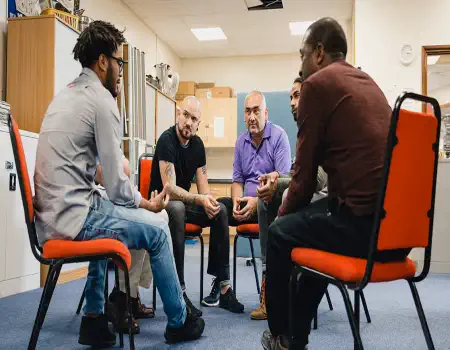
Groups are considered a cornerstone in psychological practice, targeting several individuals simultaneously with the aim of improving adjustment skills and self-reflection.

It is especially useful, as participants learn from one another and from various experiences. It also creates a supportive community and a sense of belonging for its group members.


Related Programs
dr.yassmin

د.ياسمين حسام

Clinical Psychologist

1

Videos

3

البرامج

0

Solutions

  • Icebreaker activities that help group members get to know one another
  • Gratitude activities, such as mapping different aspects of their life that they are thankful for
  • Sharing activities, where group members ask one another questions
  • Expressive writing activities to explore experiences and emotions connected to those events
  • Goal visualization activities to help people set goals and make a plan to accomplish them

Before joining, think about whether you want to participate in an open or closed group. If you would prefer an open group, you can likely join in at any time. For closed groups, you will likely have to wait until a new session begins.

It is also important to consider whether group therapy will be sufficient on its own or if you need additional assistance in the form of individual and/or medication. Talk to your doctor or therapist to decide what treatment approach is right for your needs.

How many people will be there? Who will be there?

Each group typically includes 5-6 members and 1-2 facilitator(s) who work at Personal Counseling. We like to have a maximum of 8 members in any given group so there are enough opportunities for each person to share.

What typically happens in the first session?

Typically, the facilitator(s) will review some group guidelines (e.g., discussing confidentiality,
attendance) and have introductions. Members may be asked to say their name and their reasons/hopes for attending group. Often, a couple members will spend additional time sharing some of their recent concerns. Additionally, the first session is a good time for members to ask any remaining questions about the group process

What will I be expected to talk about? What if I don’t feel like talking, or if I’m slow to open up?

Group is meant to be a safe space to discuss a range of concerns. For example, just because someone is in a group focused on eating disorders doesn’t mean they can’t talk about their relationships.
Additionally, we want group members to have agency to decide whether or not they want to share.
Some group members don’t speak for the first several sessions, and any group member can always
“pass” if they feel uncomfortable and/or do not want to speak. However, while members who are
relatively quiet can receive some benefits, individuals are likely to get more out of group if they express their own concerns and get feedback from other members.

Scroll to Top